
The UK is reopening its refugee resettlement scheme, creating a new legal route for vulnerable refugees including Afghan women and girls and Palestinians, while the Government says the programme will remain capped and subject to strict security checks.
What has been announced?
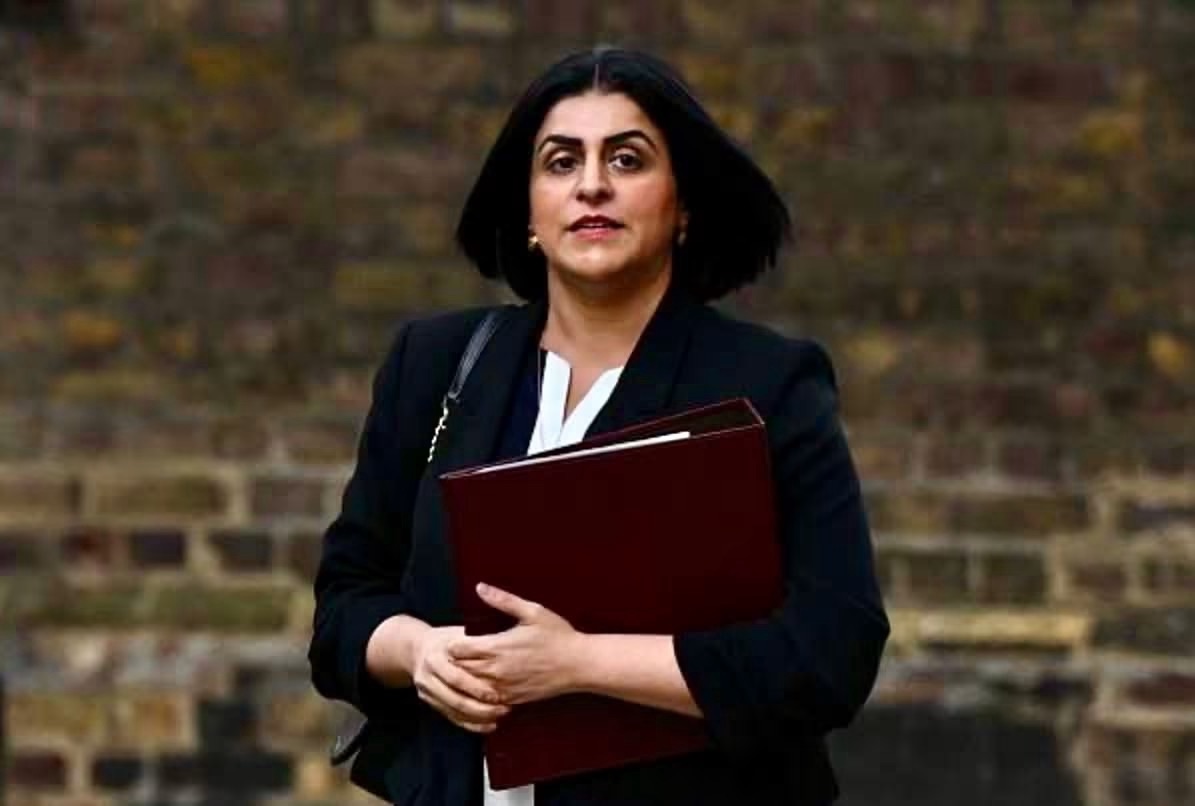
Home Secretary Shabana Mahmood has announced that the UK Resettlement Scheme will reopen after new referrals were effectively paused in late 2024.
The revived programme will prioritise vulnerable people from a number of groups, including Afghan women and girls, Palestinians and people with disabilities.
The Government says the scheme will initially operate at a relatively limited scale, with places expected to number in the hundreds.
It has indicated that the number could rise into the low thousands in future, depending on wider migration pressures.
Who will be eligible?
People will not simply be able to apply directly for a place through the scheme.
Refugees will be identified through international resettlement processes, with organisations including the UN Refugee Agency involved in identifying people who may qualify.
Priority will be given to people considered particularly vulnerable and unable to return safely to their home country.
All applicants will be subject to identity and security checks before being permitted to travel to Britain.
What checks will be carried out?
The Government says people accepted through the scheme will undergo a series of checks before travelling to the UK.
These include:
- Identity and biometric checks
- Security checks
- Criminality checks
- Health assessments
- Suitability assessments
The Government says the controls are intended to ensure that people admitted through the legal route are properly screened before entering Britain.
Why is the Government reopening the scheme?
The Government says Britain has a humanitarian responsibility to provide safe and legal routes for vulnerable refugees.
The decision also comes against the backdrop of the continuing conflict in the Middle East and the large number of displaced Palestinians.
For Afghan women and girls, the programme reflects the continuing restrictions and security concerns facing women and girls under Taliban rule.
The Government is presenting the scheme as a controlled alternative to irregular migration, rather than an open-ended refugee programme.
How many people could come to Britain?
The Government has not announced an unlimited number of places.
The scheme will operate under an annual cap.
Initial numbers are expected to be in the hundreds, with the possibility of increasing towards the low thousands if the Government considers wider migration pressures to have fallen sufficiently.
The exact number of people accepted will therefore depend on the Government’s annual allocation and the number of eligible people identified.
How does this differ from Channel crossings?
The announcement comes as the Government continues its efforts to reduce illegal Channel crossings.
People arriving in Britain through organised resettlement routes are selected overseas and undergo checks before travelling.
That is fundamentally different from people who arrive in the UK through irregular routes and subsequently claim asylum.
The Government has said that safe and legal routes must be controlled and capped, while people who arrive illegally should face a different asylum and settlement system.
What happens to refugees once they arrive?
People accepted through the resettlement programme will be brought to Britain legally and supported through the resettlement system.
The Government says those accepted will have a route towards permanent settlement, subject to the conditions of the scheme.
Local authorities and partner organisations will have a role in providing accommodation and integration support.
The practical capacity of councils and local communities will therefore remain an important part of how many people can ultimately be resettled.
What does the announcement mean for Britain’s wider migration policy?
The reopening of the scheme represents an expansion of one form of legal migration while the Government continues to pursue restrictions on irregular migration.
It is therefore part of a wider attempt to distinguish between people arriving through authorised routes and those entering the country outside the immigration system.
The Government has emphasised that the resettlement programme will remain controlled, with annual limits and security screening.
The scale of the programme will be closely watched, particularly given the continuing political debate over asylum, Channel crossings and the UK’s international obligations.
What happens next?
The Home Office will begin accepting referrals under the reopened scheme and work with international partners to identify eligible refugees.
Further details about annual numbers and the operation of the programme are expected as the scheme develops.
The Government will also continue to publish data on small-boat arrivals and other forms of irregular migration.
The two approaches — expanding controlled legal resettlement while attempting to reduce irregular arrivals — are likely to remain closely linked in the wider debate over Britain’s immigration system.
Sources
- UK Home Office
- UK Government
- UN Refugee Agency (UNHCR)
- International Rescue Committee UK
- The Guardian (The Guardian
)
- Reuters
- Financial Times
- BBC News