
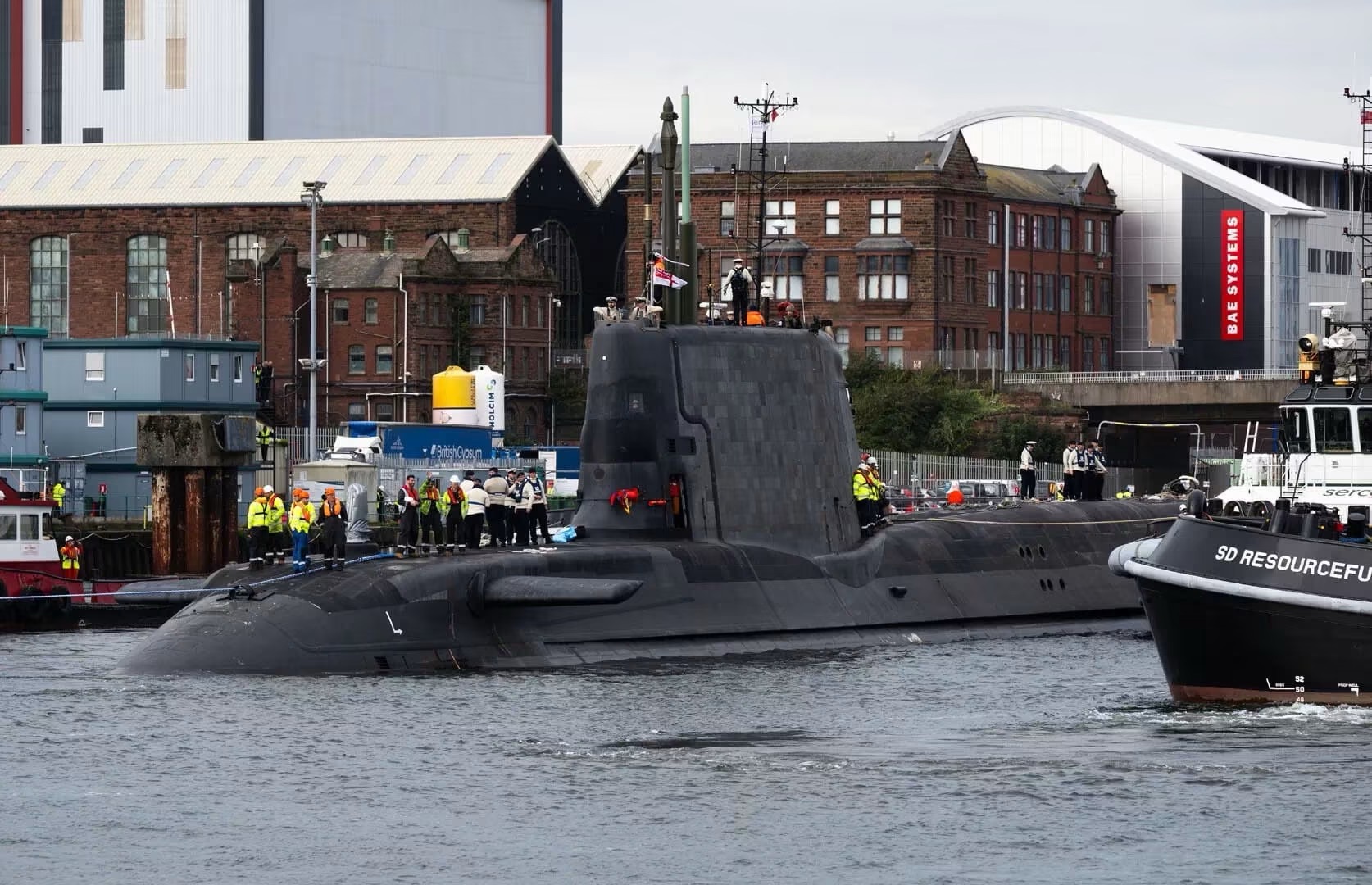
Three new floating docks for the Royal Navy’s nuclear submarine service are to be procured through a UK-only competition, in a major expansion of Britain’s submarine support infrastructure at HM Naval Base Clyde in Scotland.
What has been announced?
The Government has confirmed that three new floating docks will be provided for the Royal Navy’s submarine service at HM Naval Base Clyde, commonly known as Faslane.
The project, known as Programme Euston, is part of a multi-billion-pound investment in Britain’s maritime and defence infrastructure.
The docks will provide additional out-of-water maintenance capacity for the Royal Navy’s nuclear-powered submarines, allowing essential inspections, repairs and upgrades to be carried out.
The Government says the procurement will be restricted to UK companies because of the strategic importance of the facilities and the need to maintain sovereign industrial capability.
Why are the docks needed?
HM Naval Base Clyde is the Royal Navy’s principal submarine base and home to Britain’s nuclear deterrent.
The new facilities are intended to increase the Navy’s ability to maintain its current and future submarine fleet.
The Ministry of Defence previously said the programme would support resilient out-of-water engineering for all Royal Navy nuclear-powered submarine classes and form part of the wider transformation of the Clyde naval base.
The investment comes as Britain prepares for the introduction of the Dreadnought-class submarines, which will eventually replace the existing Vanguard-class boats carrying the UK’s nuclear deterrent.
Why is the Government restricting the competition to British companies?
The Government says the decision reflects the national-security importance of the programme and the importance of maintaining sovereign capability in strategically sensitive areas.
It also forms part of a broader effort to increase work for British shipyards and strengthen the UK’s defence industrial base.
The Government says the projects will support skilled employment and create work for smaller British businesses involved in the supply chain.
A wider investment in British shipbuilding
The floating docks are not the only maritime project announced.
The Government has also committed funding for a new marine research vessel, which will be built in a British shipyard and is expected to enter service in the early 2030s.
The vessel will replace the UK’s existing research ship, which is approaching the end of its operational life.
It will be used to gather information about Britain’s seas and oceans, including research relevant to fishing and the management of fish stocks.
Together, the projects are being presented by the Government as part of a wider programme to rebuild Britain’s industrial and shipbuilding capacity.
How much will it cost?
The Government has described the programme as a multi-billion-pound investment, although the announcement does not give a final construction cost for the three floating docks.
The wider Programme Euston investment was previously described by the Ministry of Defence as a multi-billion-pound project.
Detailed delivery arrangements and programme schedules are still subject to the normal approval and value-for-money processes.
What does it mean for Britain’s nuclear deterrent?
The docks are intended to provide additional resilience for the maintenance of Britain’s nuclear-powered submarine fleet.
Regular maintenance is essential to keeping submarines operational, and the ability to carry out work within the UK provides an important element of domestic support infrastructure.
The facilities are therefore directly connected to the long-term operation of the UK’s submarine-based nuclear deterrent.
The Government says the investment will help ensure the necessary infrastructure is available for both the current fleet and future submarines.
What happens next?
The next stage will be the procurement process for the three floating docks.
The competition will be restricted to UK bidders, with the successful companies eventually responsible for delivering the facilities and associated infrastructure.
The projects are expected to support work across Britain’s shipbuilding and defence supply chains while increasing the capacity available at HM Naval Base Clyde.
The Government’s announcement comes as defence infrastructure and the resilience of Britain’s domestic industrial base remain central to its wider defence planning.
Sources
- UK Government / Ministry of Defence
- HM Treasury
- UK Parliament
- Reuters
- The Independent
- The Guardian